Case Study Details
Lucent Homes & Properties – From Listings to a Brand Worth Trusting
The Client
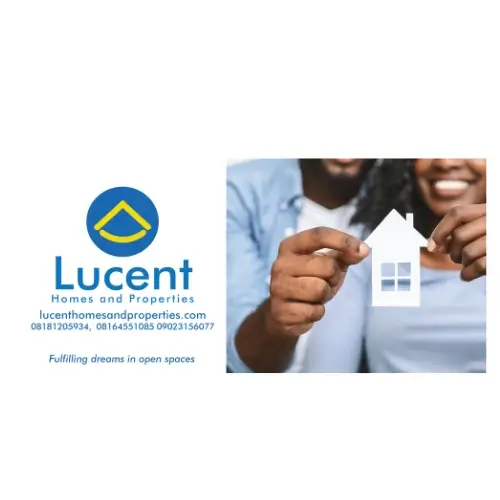
Lucent Homes & Properties is a real estate development and sales company in Nigeria. The company needed a new brand identity and a growth-oriented communications strategy to drive client acquisition not visibility for its own sake, but visibility that converted into signed clients in one of the highest-trust, highest-stakes purchase categories a customer makes.
The Problem
Lucent’s challenge was not a missing brand system in the abstract. It was the absence of the specific thing real estate buyers actually purchase before they purchase a property: confidence that the developer can be trusted with the largest financial decision they will make.
Without a unified brand system, every property listing, every social post, every sales conversation was making its own separate case for Lucent restating credibility from zero each time, rather than drawing on an accumulated reputation the brand had deliberately built.
The result was a company with real inventory and real capability that the market could not easily distinguish from any other developer with a listings page. Limited market visibility and low digital lead generation were not separate problems to be solved with more advertising spend. They were the predictable downstream effect of a brand that had never been built to carry trust at scale.
Without a unified brand system, every property listing, every social post, every sales conversation was making its own separate case for Lucent restating credibility from zero each time, rather than drawing on an accumulated reputation the brand had deliberately built.
The result was a company with real inventory and real capability that the market could not easily distinguish from any other developer with a listings page. Limited market visibility and low digital lead generation were not separate problems to be solved with more advertising spend. They were the predictable downstream effect of a brand that had never been built to carry trust at scale.
The Approach
The fix was not a more attractive logo or a bigger marketing budget pointed at the same fragmented presence. It was building a single brand system designed to do two things simultaneously: make Lucent look like a developer worth a life-defining purchase, and make every digital and human touchpoint funnel that trust toward a specific next action.
We developed the brand strategy, identity system, and communications architecture as one connected system — aspirational enough to match what buyers are actually purchasing in real estate, and structured enough that aspiration translated into leads rather than admiration.
1. Brand strategy & identity: A complete brand strategy and identity system built for aspirational positioning designed to signal the scale and seriousness of a developer entrusted with major capital decisions, not just a company with properties to sell.
2. Communication system: An integrated digital communication strategy connecting every channel into one narrative replacing one-off listing posts with a consistent presence that accumulated credibility with every touchpoint instead of restarting it.
3. Channels & people: Revamped communication channels paired with internal personnel alignment because a trust-led brand collapses the moment a sales conversation contradicts what the brand promised. The people had to carry the same story as the platform.
We developed the brand strategy, identity system, and communications architecture as one connected system — aspirational enough to match what buyers are actually purchasing in real estate, and structured enough that aspiration translated into leads rather than admiration.
1. Brand strategy & identity: A complete brand strategy and identity system built for aspirational positioning designed to signal the scale and seriousness of a developer entrusted with major capital decisions, not just a company with properties to sell.
2. Communication system: An integrated digital communication strategy connecting every channel into one narrative replacing one-off listing posts with a consistent presence that accumulated credibility with every touchpoint instead of restarting it.
3. Channels & people: Revamped communication channels paired with internal personnel alignment because a trust-led brand collapses the moment a sales conversation contradicts what the brand promised. The people had to carry the same story as the platform.
Outcomes
The test of an aspirational, trust-led repositioning is whether trust converts to signed clients. It did — and within a defined window, not an open-ended one.
36% increase in clients within 9 months | Rejuvenated brand identity recognised across the market | Strengthened market credibility and a stronger lead pipeline.
The 36% client increase in nine months is the number that matters, because real estate sales cycles are long and trust-dependent — a 9-month conversion window in this category reflects buyers moving through genuine consideration, not impulse response to an ad.
That is the redesigned trust architecture working as intended: the brand stopped competing on listings and started competing on confidence, and confidence is what real estate buyers were actually shopping for.
36% increase in clients within 9 months | Rejuvenated brand identity recognised across the market | Strengthened market credibility and a stronger lead pipeline.
The 36% client increase in nine months is the number that matters, because real estate sales cycles are long and trust-dependent — a 9-month conversion window in this category reflects buyers moving through genuine consideration, not impulse response to an ad.
That is the redesigned trust architecture working as intended: the brand stopped competing on listings and started competing on confidence, and confidence is what real estate buyers were actually shopping for.